
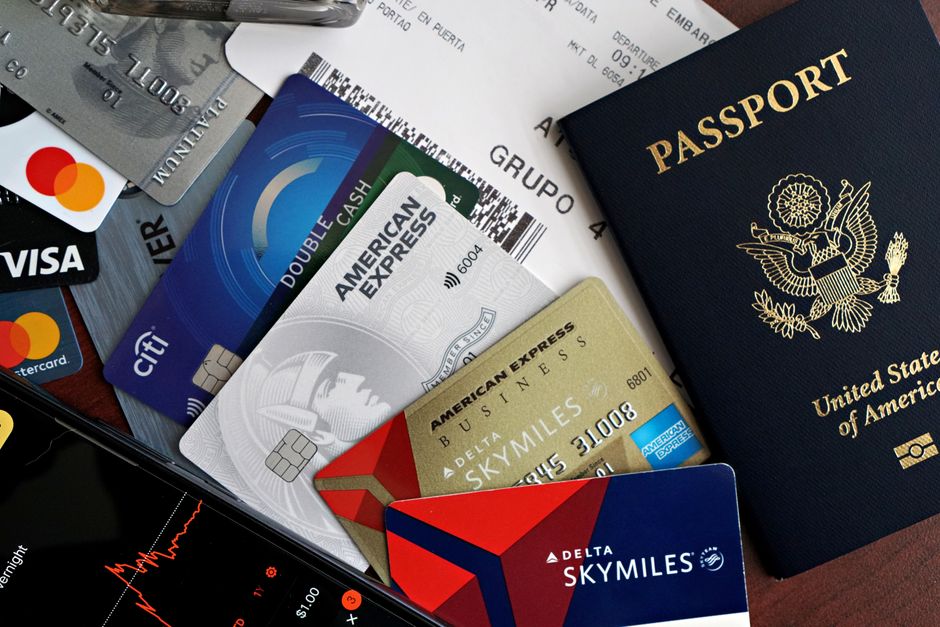
For decades, airline elite status was the reward for punishing schedules: 75,000 butt-in-seat miles, four segments a week, red-eyes to nowhere just to hit a threshold. That model is fading. In 2026, more than a dozen co-branded credit cards hand out mid-tier and even top-tier status either automatically or through spend-based shortcuts. If you fly 20 to 40 segments a year, the right piece of plastic can outperform six months of mileage running — and it costs less than a single transcontinental business-class ticket.
This guide cuts through the marketing and shows you which cards deliver genuine status, what that status is actually worth, and where the fine print will bite. It’s written for travelers who want to book flights strategically rather than chase status for its own sake.
Why Credit-Card Status Exists (And Why Airlines Regret It)
Airlines discovered a hard truth during the pandemic: co-brand credit card revenue is more stable and more profitable than ticket revenue. Delta’s American Express portfolio alone generated over $7 billion in remuneration last year. To keep that spigot open, carriers began layering perks — including status — onto their card products. The result is a two-track loyalty system: butts-in-seats flyers on one side, cardholders on the other, often meeting in the same lounge.
Airlines have quietly tried to walk this back. Delta’s infamous 2026 overhaul made status harder to earn from flying but easier from spending. American followed with Loyalty Points. United’s Premier qualifying dollars remain tied to fares, but the Presidential Plus card still shortcuts the process. The trend is clear: status increasingly follows your wallet, not your boarding pass.
The Big Four: Cards That Grant Status Automatically
These cards deliver a status tier the moment you’re approved — no spending threshold, no flight requirement. Annual fees are steep, but so is the cash value.
| Card | Status Granted | Annual Fee | Estimated Value |
|---|---|---|---|
| Delta SkyMiles Reserve Amex | Path to Platinum via MQD waiver on $25K spend | $650 | $1,400+ |
| United Club Infinite | Premier Silver at $25K spend | $695 | $1,200+ |
| Aeroplan Reserve (Chase) | Air Canada 25K after $15K spend | $599 | $900+ |
| Alaska Airlines Visa Signature | MVP after $6K spend within 90 days | $95 | $700+ |
| JetBlue Plus / Business | Mosaic 1 after $35K spend | $99 | $500+ |
| Emirates Skywards Premium (Barclaycard) | Silver after $20K spend | $499 | $1,100+ |
The Alaska card is the sleeper hit. For a $95 annual fee and $6,000 in spending inside 90 days, you get MVP status good through the following status year. MVP delivers free changes, complimentary premium-class upgrades on paid Y fares, and a 50% mileage bonus. On Alaska’s Seattle–Honolulu or LAX–Anchorage runs, that’s real money.
Spend-Based Shortcuts: The Middle Path
Most co-brand cards don’t hand you status outright — instead, they let you buy your way past the flying requirement. American Airlines has arguably the most mature version with its Loyalty Points system.
American Airlines: Every Dollar Counts
Every dollar spent on a Citi or Barclays AAdvantage card earns one Loyalty Point. Add category multipliers and Loyalty Points become surprisingly earnable without setting foot on a plane:
- Gold (40,000 LP): Preferred seats, priority boarding, 40% mileage bonus. Achievable on roughly $30K–$40K of card spend.
- Platinum (75,000 LP): Complimentary upgrades on domestic routes, oneworld Sapphire (lounge access when flying international partners like Qatar or British Airways).
- Platinum Pro (125,000 LP): Free Main Cabin Extra, 80% mileage bonus.
- Executive Platinum (200,000 LP): Systemwide upgrades, oneworld Emerald, guaranteed award availability.
The genius — or trap — is that you can hit Platinum Pro through card spend alone if you’re a heavy business spender. Pair the Citi AAdvantage Executive card ($595 fee, includes Admirals Club) with the Business Platinum for double-earn on the same purchases at times, and Executive Platinum is theoretically in reach without ever earning a Loyalty Point from a flight.
Delta: The MQD Waiver Play
Delta’s Medallion Qualification Dollars requirement can be waived or offset by card spend. The Reserve card offers $2,500 in MQDs plus additional MQDs at a rate of $1 per $10 spent. Combined with actual flying, Platinum Medallion (which unlocks upgraded partner benefits on Air France, KLM, and Virgin Atlantic) becomes very achievable for someone flying 40–60 segments a year.
United: MileagePlus PQP Boost
United converts card spend to Premier Qualifying Points at a rate of 1 PQP per $20 spent on premium cards, up to a cap that varies by product. The Presidential Plus card (available to legacy holders) is the sole path to unlimited PQP earning from spend — it’s effectively a status printer for those grandfathered in.
What Status Actually Gets You in 2026
Perks that mattered a decade ago — free checked bags, priority boarding — are increasingly available on entry-level cards. What separates real elite status from card-lite perks:
| Benefit | Card-Only Access | Requires Real Status |
|---|---|---|
| Free checked bag | ✓ | — |
| Priority boarding | ✓ | — |
| Domestic first-class upgrades | Rare | ✓ |
| Same-day flight changes free | Occasional | ✓ |
| Systemwide/global upgrades | — | ✓ (top tier only) |
| Award availability guarantees | — | ✓ |
| Star Alliance Gold / oneworld Emerald lounges globally | — | ✓ |
| Priority award waitlist | — | ✓ |
The last three items are where the money is. A single Systemwide Upgrade from American on a JFK–LHR or DFW–NRT route can be worth $3,000+. A Star Alliance Gold lounge visit at Frankfurt’s Lufthansa Senator Lounge or Singapore’s SilverKris Lounge is a legitimate travel upgrade you can’t buy at any price without either a business-class ticket or the status itself.
The Best Card for Each Traveler Type
The Occasional Flyer (10–20 segments/year)
Winner: Alaska Airlines Visa Signature. The $95 fee, MVP shortcut, and companion certificate produce more value per dollar than any premium co-brand. Alaska’s oneworld partnership means your MVP status unlocks Ruby-tier benefits on American — including preferred seating and priority security.
The Regional Business Traveler (Mostly Domestic)
Winner: Citi AAdvantage Executive + Delta Reserve, played against each other. Concentrate spend on whichever program aligns with your primary hub. If you’re based in Atlanta, Detroit, Minneapolis, or Salt Lake City, Delta wins. Elsewhere, American’s Loyalty Points system is more forgiving.
The International Premium Cabin Chaser
Winner: Aeroplan Reserve + Alaska Visa. Aeroplan status delivers Star Alliance Gold — the golden ticket for lounges from Zurich to Tokyo. Alaska’s MVP tier layers oneworld Ruby on top. Cost: under $700 combined, with two of the world’s three major alliances effectively covered.
The Points-and-Miles Optimizer
Don’t chase status at all. Instead, hold flexible-currency cards (Chase Sapphire Reserve, Amex Platinum, Capital One Venture X) and buy business-class awards at 60–70% off retail. Lounge access comes through Priority Pass and Amex Centurion Lounges. This strategy usually beats status-chasing until you’re doing 75+ segments annually.
Real Routes Where Card Status Pays Off
Numbers are abstract until you attach them to a boarding pass:
- Seattle to Anchorage (Alaska): MVP upgrades on this 3.5-hour flight clear roughly 60% of the time. Retail first-class is $400+ over economy. Card-earned status pays for itself in three round-trips.
- Dallas to Tokyo Haneda (American): Executive Platinum’s Systemwide Upgrade on this 787 route routinely turns a $1,800 Main Cabin ticket into a $9,000 Flagship Business seat.
- New York JFK to Amsterdam (Delta/KLM): Delta Platinum via card spend delivers complimentary Delta Comfort+ and priority upgrade lists into Delta One.
- Toronto to Frankfurt (Air Canada/Lufthansa): Aeroplan 25K gives Star Alliance Silver, unlocking priority everything and — critically — access to Lufthansa’s business lounge network on partner-operated legs when you buy Air Canada business fares.
Redemption: The Other Half of the Equation
Status accelerates earning, but redemption is where portfolios live or die. Three principles:
Book partner awards, not carrier awards. American charges 80,000 miles for a one-way business-class seat to Europe on its own metal. The same seat on British Airways or Iberia via Avios costs 62,500 points from Chase or Amex transfers. Delta’s own SkyMiles program can price a one-way business to Tokyo at 300,000+ miles, while Virgin Atlantic will price the same Delta-operated seat at 90,000 points.
Use elite award benefits. American Executive Platinum members can waive close-in booking fees and get access to “web special” award pricing that non-elites never see. United 1K members receive PlusPoints upgrade instruments that turn paid coach tickets into Polaris seats — often the highest-value benefit in the entire program.
Pair with a hotel play. Airline status without matching hotel status is a lopsided portfolio. If you’re investing in flight benefits, look at hotel membership upgrades to round out your travel stack — a Marriott Titanium or Hyatt Globalist match doubles the impact of every trip.
Status Matching and Challenges: The Overlooked Backdoor
Almost every US airline runs unadvertised status match programs. If you hold status on one carrier, you can often get 90 days of matched status on a competitor, followed by a “challenge” period requiring 4–8 segments or a spend threshold to keep it for a full year.
Combined with a co-brand card that grants entry-level status, this creates a ladder:
- Get Alaska MVP through the Visa card ($95 + $6K spend).
- Match Alaska MVP to Hawaiian Pualani Gold or JetBlue Mosaic.
- Match again to United Silver or Delta Silver 90 days later.
- Complete a modest challenge to lock in the second airline’s status.
Within a year, you can hold status on three carriers for the cost of one credit card annual fee and a handful of well-chosen flights.
What to Avoid
Not every co-brand card delivers real status value. Watch out for:
- Cards that grant status only after $50K+ in annual spend when you could reach the same tier by flying 30 segments. Do the math on your actual travel patterns.
- Status that expires the day the card is closed. Some products (notably certain Aeroplan and Emirates tiers) revoke status if you cancel. Others let you keep it through the natural status year.
- Foreign transaction fees on airline cards. Any co-brand card with FX fees is a red flag in 2026 — the industry moved past this years ago.
- Reduced upgrade priority for card-earned elites. Some airlines quietly slot card-earned status below flight-earned status of the same tier on upgrade lists. Delta and United have both been accused of this; it’s technically deniable but statistically visible.
Building a Complete Portfolio
The most effective status strategy uses two or three cards in combination rather than one flagship. A working portfolio for someone who flies 25–40 segments a year:
- One primary co-brand card aligned with your home airport’s dominant carrier.
- One secondary co-brand card for a competing alliance (usually Alaska or Aeroplan).
- One flexible-currency premium card (Sapphire Reserve, Amex Platinum, Venture X) for lounge access, transfer partners, and travel insurance.
Total annual fees typically land between $900 and $1,400, offset by statement credits, lounge access, and roughly $2,500 to $4,000 in status-derived value. Explore additional airline membership options or browse the full range of travel upgrades to fill any gaps.
Actionable Takeaways
- Audit your last 12 months of flying. If more than 60% of your segments are on one carrier, concentrate your co-brand spend there. Otherwise, hedge with Alaska or Aeroplan.
- Time your card applications. Apply in Q1 for a signup bonus that helps you hit status thresholds by year-end.
- Use status match season. Airlines are most generous with matches in January and February when they’re trying to steal flyers from competitors.
- Prioritize alliance benefits over carrier benefits. Star Alliance Gold, oneworld Emerald, and SkyTeam Elite Plus travel with you globally.
- Book hotels and flights on the same co-brand ecosystem when possible to consolidate qualifying spend.
- Pack for the status you have. Priority tags, lounge-friendly attire, and the right travel essentials make elite perks actually usable, not theoretical.
Airline loyalty in 2026 rewards deliberate portfolio construction over blind loyalty. The right two credit cards can deliver status that once required a life spent in airport terminals. The wrong ones deliver an annual fee and a bag tag. Choose based on the routes you fly, the alliances you use, and the redemptions you actually want — not the ones the marketing brochure shows.

